Serving Largo, FL and surrounding areas. (727) 766-0157
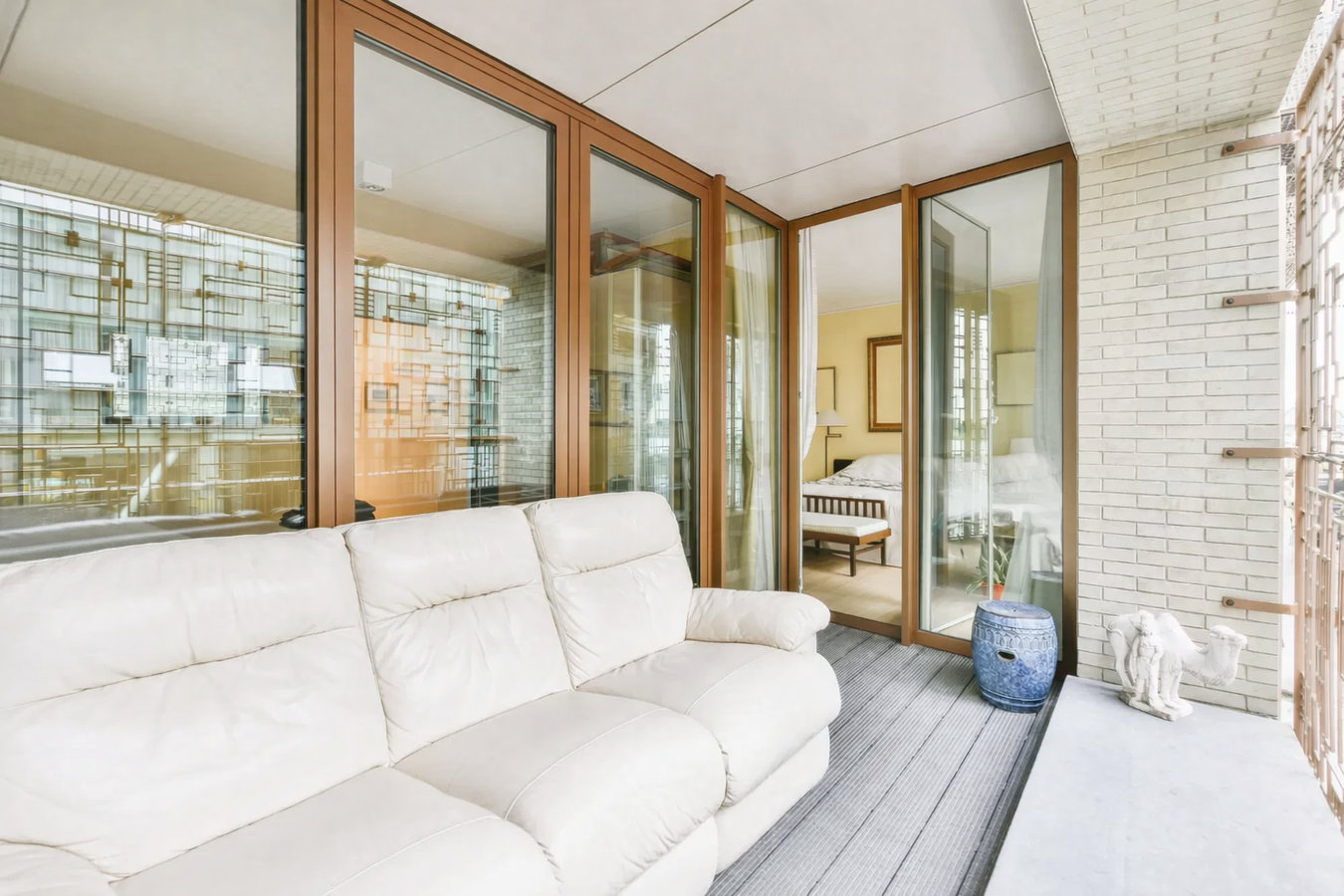
A screened porch you can only use four months a year is not working hard enough. A vinyl sunroom fully encloses that space, keeps Florida heat and rain out, and gives you a comfortable room every month - with frames that never rust, rot, or need repainting in the Gulf Coast air.
Vinyl sunrooms in Largo, FL are fully enclosed additions built with vinyl frames and large glass or acrylic panels that let in natural light from all sides, most projects take six to twelve weeks from contract to completion, and the vinyl frame resists the rust, rot, and moisture damage that eats through aluminum or wood in humid Gulf Coast conditions.
In Largo's climate, the frame material is not just an aesthetic choice - it is a practical one. Salt air from the Gulf accelerates corrosion on metal frames. Heavy summer rain and high humidity rot untreated wood. Vinyl holds up to both without requiring paint, sealant, or any ongoing attention beyond a periodic wash. PrimeLiving Largo Sunrooms builds vinyl sunrooms throughout Largo and Pinellas County, pulling every permit and handling every inspection on your behalf so the finished room is on record with the county from day one.
If you are still deciding on the details of your project - layout, glass type, whether the room needs heating and cooling - our sunroom additions service covers a broader range of configuration options for homeowners who want to explore the full picture before committing to a specific approach.
If your screened lanai or porch sits empty for most of the year because the heat and bugs make it unbearable, you are not getting the value out of that space. A vinyl sunroom converts that underused area into a room you can enjoy year-round - with the doors closed and the air conditioning running on a sweltering August afternoon. In Largo's climate, the difference between a screened porch and an enclosed sunroom is the difference between a seasonal space and a daily one.
If you notice water stains on the ceiling of your existing porch enclosure, rust on the frame, or gaps where the panels meet the frame, those are signs that the current structure is failing. Largo's combination of intense sun, salt air, and heavy summer rain accelerates wear on older enclosures - especially those built with aluminum frames or single-pane glass. Replacing a deteriorating enclosure with a properly built vinyl sunroom is often more cost-effective than repeated repairs.
Many Largo homeowners add a vinyl sunroom because they want a home office with natural light, a plant room, a reading space, or a place to entertain that feels connected to the outdoors without the heat and insects. If you find yourself wishing you had a room that feels different from the rest of your house - brighter, more open, more connected to your yard - a sunroom addresses that directly.
Largo's real estate market is competitive, and buyers consistently respond to homes that offer indoor-outdoor living. If your home lacks a standout feature and you are thinking about selling in the next few years, a permitted, well-built vinyl sunroom can make your listing more attractive - especially to buyers relocating from northern states who are specifically looking for that Florida lifestyle.
The most important decision in any vinyl sunroom project is whether you want a three-season room or a four-season room. A three-season room is designed for mild weather and is not insulated for heating or cooling - it works well from October through April in Largo but will be uncomfortable during the hottest months. A four-season room connects to your home's heating and cooling system and can be used comfortably even on the hottest or coolest days. In Largo, where summer temperatures regularly exceed 90 degrees and humidity is high, most homeowners find the four-season option far more livable for the majority of the year. For homeowners who are not sure which direction makes sense, our three season sunrooms page walks through the tradeoffs honestly so you can make an informed decision.
Glass selection matters as much as the frame material. Insulated double-pane glass with a low-e coating keeps heat out without blocking light - the right choice for most Largo homes that want year-round comfort. Single-pane glass costs less upfront but makes the room unusably hot for half the year. The U.S. Department of Energy provides straightforward guidance on window performance that supports what we recommend on every project. All panels are also specified to meet Florida's wind-resistance requirements for Pinellas County's coastal zone.
Homeowners who primarily want to extend their outdoor season from October through April and are comfortable with the room being unused during peak summer heat.
Homeowners who want a true year-round living space connected to their home's HVAC - the practical choice for daily use in Largo's climate.
Homeowners who already have a screened porch or lanai and want to upgrade it to a fully enclosed, climate-controlled space without starting from scratch.
Homeowners whose backyard lacks an existing slab - we pour the foundation and build the room as a single project, fully permitted through Pinellas County.
Largo sits in one of the most consistently hot and humid parts of the continental United States. Average summer highs are in the low-to-mid 90s, and the humidity makes it feel even hotter. This means the glass and insulation choices in your sunroom matter far more here than they would in a northern state - a room built with basic single-pane glass will be uncomfortably hot for most of the year, while a room built with heat-blocking insulated glass can actually be pleasant to use even in July. Homeowners throughout Clearwater and the surrounding coastal communities deal with the same climate demands.
Largo is also in Pinellas County, which sits directly on the Gulf Coast and falls within a high-wind zone for building code purposes. Any sunroom built here must meet Florida's strict wind-resistance requirements, which are among the toughest in the country. What this means in practice is that the glass panels, the roof, and the way the structure attaches to your home all have to be engineered and inspected to withstand hurricane-force winds. Skipping the permit to save time is how homeowners end up with an unpermitted addition that complications a home sale or an insurance claim. For homeowners across Palm Harbor and northern Pinellas County, the same requirements apply and the same process protects your investment. The Pinellas County Building Department publishes permit requirements and inspection checklists for homeowners who want to understand the process.
When you reach out, we respond within one business day. We ask a few basic questions - the size of the space you have in mind, how you plan to use the room, whether you have an existing slab or screened enclosure. This helps the in-home visit be more productive. You are not asked to commit to anything at this stage.
We visit your home to measure the space, look at the existing foundation or slab, and assess how the sunroom will attach to your roofline and exterior wall. This visit includes a conversation about your HOA rules if applicable and a review of what the permit process will involve. We take our time - you should leave with a clear understanding of what we are proposing.
After the site visit you receive a written proposal with cost, materials, timeline, and payment schedule. Once you sign, we submit the permit application to Pinellas County. Permitting typically takes two to four weeks. We handle this entirely on your behalf - you do not have to navigate the county building department yourself.
Once the permit is approved, the crew prepares the slab, erects the vinyl frame, installs the glass panels, and completes the roof and electrical work. County inspections are scheduled during construction as required. We do a final walkthrough with you before closing out the job - any items on your punch list are addressed before we leave.
We respond within one business day. No obligation - just a straight conversation about what is possible on your property and what it will cost.
(727) 766-0157We pull the permit before any work begins - no exceptions. A permitted vinyl sunroom in Largo is on record with the county, covered by your homeowner's insurance, and a legal asset when you sell. An unpermitted addition creates problems at the worst possible time.
A large portion of Largo's housing sits within HOA-governed communities, and many associations require written approval before exterior additions are built. We ask about your HOA requirements at the first meeting and help you get that approval before finalizing any design - so there are no surprises after you have committed.
Largo is in a coastal high-wind zone. Every vinyl sunroom we build is engineered to meet Florida's wind-resistance standards - the glass panels, framing connections, and roof tie-in are all specified to pass the county inspection. That engineering protects your home when hurricane season arrives.
We do not recommend single-pane glass for Largo homes. Every project starts with a conversation about insulated and low-e glass options that perform in this climate. The goal is a room you can actually use in August - not one you avoid until October. The National Association of Home Builders recognizes this as a standard best practice for Gulf Coast construction.
These details matter because Largo's coastal location and building code requirements make vinyl sunroom construction more demanding than in most states. A room built correctly here is a durable, permitted, year-round asset. A room built incorrectly shows it within the first storm season.
Full sunroom additions that expand your home's footprint with a light-filled enclosed space built to Largo's permit and wind standards.
Learn MoreA more affordable enclosed porch option designed for mild-weather use - good for homeowners who do not need year-round climate control.
Learn MorePermits take time - the sooner we start the process, the sooner you are enjoying your new room. Call or request an estimate now.